Prudence, balance, thought, and Christianity

http://thefederalist.com/2015/11/19/3-tips-for-a-more-civil-conversation-about-syrian-refugees/
Mollie Hemingway offers 3 suggestions regarding the Syrian refugee issue.  The piece ends up looking at Christian beliefs – for good reason. She makes many good points, all of which I will not try to summarize here.

One take-away (near the end of the article) is that the answer to the question “What should we do?” has two answers. The answer of what the government should do is different from what people and churches should so. The mission trips, mission activities, and UMCOR relief efforts are key, and don’t need to pass Congress.

The Athenians & the Visigoths

The Athenians & the Visigoths speech written by Neil Postman (written as a graduation speech).

Text: http://bit.ly/1lHh5y4
Audio: https://youtu.be/YtjjFmCxc8s

Four quotes (there are many others) emphasis is mine:

among their [Athenian] values none stood higher than that in all things one should strive for excellence. They believed in reason. They believed in beauty. They believed in moderation. And they invented the word and the idea which we know today as ecology.

To contemplate, to reason, to experiment, to question—these are, to an Athenian, the most exalted activities a person can perform.

Athenians place great value on tradition, social restraint, and continuity.

it is much harder to be an Athenian, for you must learn how to be one, you must work at being one, whereas we are all, in a way, natural-born Visigoths.


“I am a human being, not a human doing.”

How To Get Better Perspective (In Just 90 Seconds)

“We consume; we don’t experience. We settle; we don’t savour. All of this means that we “do” productive.

We should “be” productive.”

In order to make this happen, you need to be aware and have focus. (What’s even more interesting is that you need to be aware to have full focus and you need to have focus in order to be fully aware.)

I’d like to offer a 90 second exercise to help you get better perspective, become aware, and find a small measure of focus.

  1. After you’re done reading this piece, just stop and do nothing for 30 seconds. It may help to focus on your breath and close your eyes while doing so. But do this no longer than 30 seconds today.
  2. Once you’re done with the 30 seconds, grab a piece of paper and a pen/pencil and write down everything you think you need to do, ought to do, or want to do over the course of 30 seconds. You should time this. Stop once the 30 seconds is up.
  3. Take a final 30 seconds to choose one of those things to work on today. Commit to working on it so that you can honestly say you have made progress on it before day’s end.

That’s it. That’s all I want you to do. By doing this, you’re being aware. And by working on just one thing intentionally, you’re exercising focus.

“I am a human being, not a human doing.” – Kurt Vonnegut

Musical Communion Liturgy

Our Pastor, Dr. Howard White, has developed a musical communion liturgy in which he as the leader sings and the congregation also sings in response. It is set to popular Christmas tunes.

See the attached.  (It is the Sunday Bulletin, which happened to also be our musical presentation by our music groups.)

Bulletin-December-6 -2015

Online Advent Calendar 2015

Online Advent Calendar 2015
Online Advent Experience

(This appears to be from the Catholic church. I’m not Catholic, but the ideas are good.)

It’s a Shape Christmas

Christmas Presence: Giving What We Need and Want Most by Charles Moore

I came across a very nice Christmas story, titled, Christmas Presence: Giving What We Need and Want Most. It is written by Charles Moore.

Here is an Audio Recording of the story. (.m4a file) (On an iPad, you may need to download it.)

The text of the story can be found at:

http://www.plough.com/en/topics/culture/holidays/christmas-readings/christmas-presence

decorations Food-table Father-SonWalk

I know this is a message I need to remember.

This is not a Day Care. This is a University!

Missions Is Worth the Mess

http://www.desiringgod.org/articles/missions-is-worth-the-mess

Quotes: 

Because we believe in the “already,” we can more readily and joyfully accept the messiness of the “not yet.”

—-

The Scriptures tell me that:

  • I have to lose my life in order to find it. (Matthew 16:25)
  • I have to count the cost of serving him. (Luke 14:25–33)
  • Success isn’t always what we think it is, and seed-sewing is just as important as watering and branch-pruning. (1 Corinthians 3:6–9)
  • Pain is temporary, and is nothing compared to glory. (2 Corinthians 4:17–18)
  • God’s word will not return to him void, but always does its work. (Isaiah 55:11)

——

I’m thankful to be a member of a healthy church that will remind my family and me of that truth. As Christians, the presence of the body is crucial during times like these.

We need to be hugged, cried with, preached to, and resourced to help us start over again. This is why Christianity is not a journey to be taken alone. 

—–
We need to be hugged, cried with, preached to, and resourced to help us start over again. This is why Christianity is not a journey to be taken alone. This is why Jesus saves us as part of his bride.
The more the church cares for my family, the deeper the grief we feel for the peoples of the Upper Amazon Basin who still don’t have one. But the more we look into God’s word, the more confidence we have that God’s mission will still be completed, even though we now know that that means that this particular initiative will be completed without us.

—–

The Already/Not Yet of Missions:

The “already” is there [here], and it’s glorious. The “not yet,” however, is typically much messier. 

—–

Because we believe in the “already,” we can more readily and joyfully accept the messiness of the “not yet.”

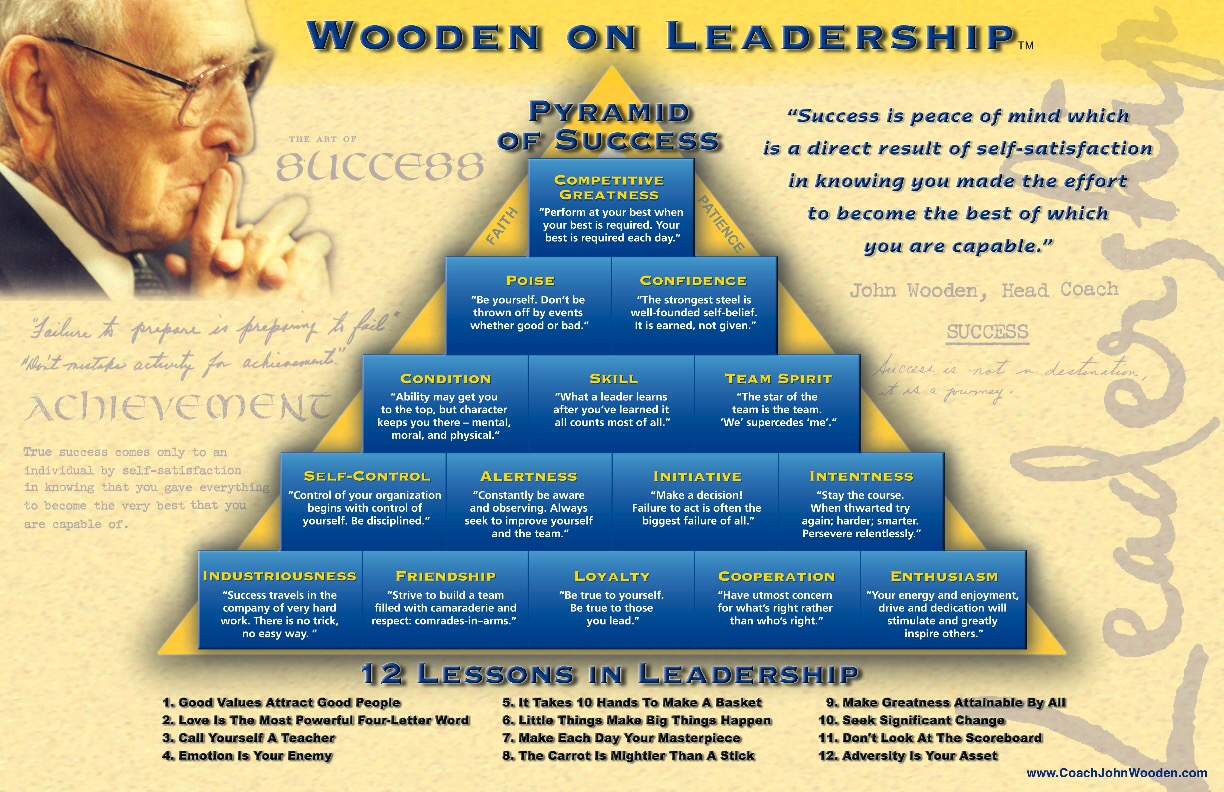
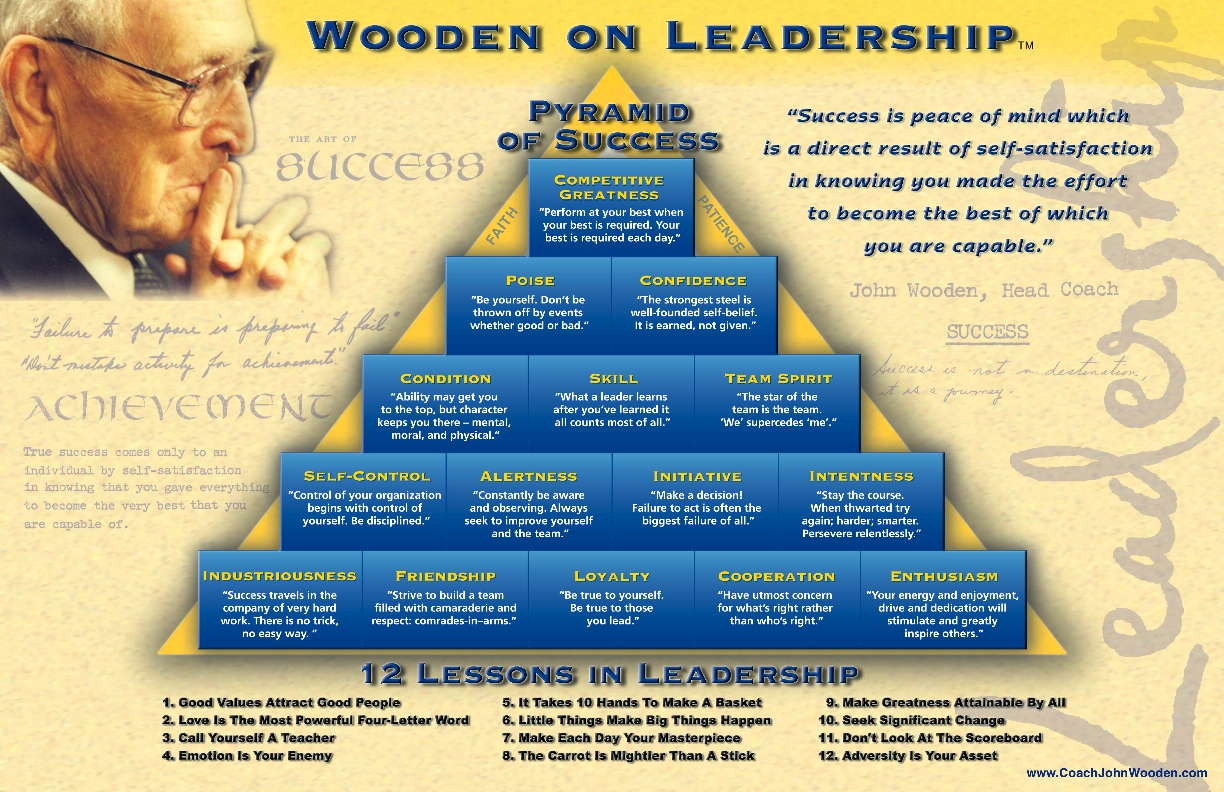
Embrace your holy desire for greatness one small act of service at a time

The truly great over-focus on serving. 

Many good points…

https://leadershipfreak.wordpress.com/2015/09/25/the-race-to-insignificance-or-issues-of-greatness/

66 Books of the Bible – using symmetry to memorize

I’d like to eventually memorize the names of all 66 books of the Bible.

(Update: I have now memorized the names. Additional mnemonics and memory devices are listed in the PDF below.)

Here’s the structure:

Old Testament: 17 + 5 + 17 (the 5 in the middle being the 5 poetry books)

To break it down further: 5+12 + 5 + 5+12.  The first 5 is the Law/Pentateuch.  The last 5+12 are the Prophets, major (5) and minor (12).

New Testament: After the Gospels and Acts it is 9 + 4 + 9.

9 Pauline letters to churches; 4 Pauline letters to people; 9 other letters (not by Paul)

BooksOfBible

Mnemonics (in a PDF)

MemorizingBooksNotes <<click to open PDF (if not fully visible below)